We May Not Have It All Together, but Tog
First Impressions: A Lighthearted Touch for Farmhouse Charm
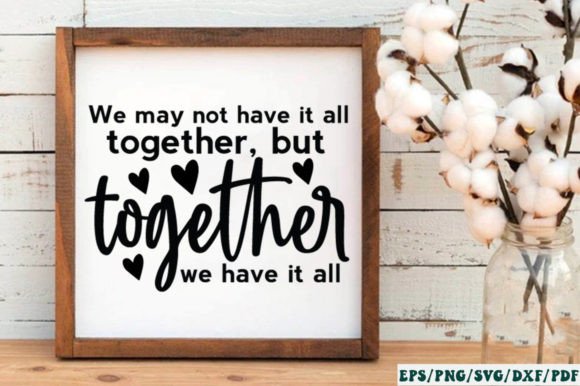
Opening the zip folder for We May Not Have It All Together, but Tog, the first thing that stands out is the playful, farmhouse-style lettering. It’s rustic without being over the top, and has a hand-drawn feel that makes it feel personal and approachable. The phrase itself is a clever twist on a familiar saying, which gives it instant appeal for gift items, boutique apparel, and embroidered home decor. As a designer, I immediately picture this stitched onto tote bags, kitchen towels, and casual sweatshirts—especially for small shop owners or Etsy sellers looking to add a bit of humor to their product line.
Real-Life Embroidery Use: From Concept to Stitched Reality
Testing this design on a medium-weight cotton tote bag, the embroidery translated surprisingly well. The lettering is spaced generously, which helps prevent thread bunching or overcrowding, a common issue with text-heavy embroidery files. I used a standard 4x4 hoop and found that the overall layout balanced nicely within that space. There’s no applique involved, just clean satin and fill stitches, which makes it ideal for beginners and pros alike who want a quick, readable design without complex layering.
When stitched onto a baby onesie, the design held up well, though I’d recommend reducing the size slightly to keep the lettering crisp on smaller garments. On a dark fabric sweatshirt, contrast became key—using white thread for the main text and a light gray for the background accents helped maintain readability. It also worked well as a patch design, especially when paired with a simple border to frame the farmhouse aesthetic.
Where This Design Shines
- Custom apparel – Sweatshirts, tees, and casual hoodies benefit from the relaxed tone of this design.
- Home decor items – Towels, pillow covers, and aprons bring out the farmhouse charm.
- Gift-ready products – Perfect for personalized tote bags or framed embroidery pieces as quirky gifts.
- Boutique merchandise – Small shop owners can easily incorporate this into seasonal or everyday product lines.
Considerations for Practical Use
While We May Not Have It All Together, but Tog is a solid embroidery file, there are a few practical points to keep in mind before stitching it out on every fabric type. On stretchy knits, I noticed slight distortion in the corners of the letters—especially the “g” and “o.” Using a lightweight cutaway stabilizer helped maintain shape, but it’s worth testing on a similar fabric first.
For dark fabrics, the design relies heavily on thread contrast. If you’re not careful with color choices, some of the subtler details—like the line accents under the text—can get lost. Also, if you’re working with textured or thick materials like burlap or denim, the satin stitches may flatten too much and reduce the intended visual impact.
One thing to watch: the phrase is long, so on smaller hoop sizes, you may need to scale it down or adjust the layout. The file doesn’t include alternate versions, so flexibility is limited unless you edit it yourself in your embroidery software.
Impact on Product Appeal and Customer Perception
This design adds a casual, relatable tone to any handmade product. For Etsy sellers or small business owners, that’s a big plus—especially when targeting buyers who appreciate humor and farmhouse aesthetics. The design’s simplicity makes it easy to incorporate into branding mockups or product photos, and its readability ensures it won’t overwhelm the item it’s stitched onto.
From a customer trust standpoint, the clean stitch layout and minimal complexity suggest a professional, well-made file. It doesn’t scream “mass-produced,” which is key for crafters and digital product sellers who want to maintain a handmade feel. The phrase itself is versatile enough to appeal to a wide audience, from moms looking for baby items to boutique owners curating cozy home goods.
Design Notes for Embroidery Professionals
Before using this design in a client project or product line, here are a few practical tips based on my experience:
- Test on scrap fabric – Especially if you’re using textured or stretchy materials.
- Check thread color contrast – Make sure the background and text stand out clearly.
- Review stitch density – Avoid overly dense fills that may pucker the fabric.
- Confirm hoop size – Know your machine’s limitations before stitching out the full design.
- Inspect small details – The accents in this design are subtle, so make sure they stitch cleanly.
- Test in black and white mockups – Helps visualize how it might look on different fabric tones.
- Use proper stabilizer – Especially for stretchy or delicate fabrics.
- Check licensing – Confirm whether the file allows for commercial use or resale of finished items.
Final Thoughts: A Versatile Phrase with Personality
We May Not Have It All Together, but Tog isn’t just another farmhouse sign SVG—it’s a usable, stitch-friendly design that brings a smile to both makers and buyers. Whether you’re creating custom apparel for a boutique, personalizing a gift, or adding charm to your Etsy listings, this embroidery file holds up well in real-world use.
It’s not overly complex, which makes it accessible for a wide range of skill levels, and its lighthearted message makes it a great fit for multiple product types. Just be mindful of fabric choices, thread contrast, and hoop limitations, and you’ll get a clean, professional result every time.