Lucky Bunny SVG: A Practical Designer’s Take on Real Embroidery Use
First Impressions: Cute, Playful, and Versatile
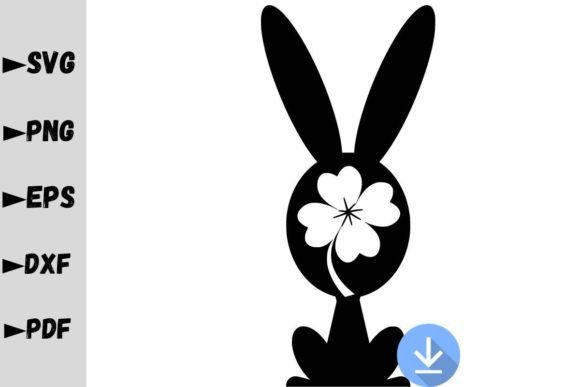
When I first opened the Lucky Bunny SVG file, I was struck by its cheerful and whimsical personality. It's a simple silhouette with enough detail to feel expressive, but not so intricate that it becomes overwhelming. The bunny’s curious posture and four-leaf clover accent immediately suggest a playful theme—perfect for spring, Easter, or personalized baby gifts. As a designer who regularly works with embroidery files, I can see this design fitting into a wide range of handmade and small-batch projects.
What stands out is how well-balanced the composition feels. The lines are clean, the proportions are friendly, and there’s a nice visual rhythm between the bunny’s ears and the clover. It doesn’t scream for attention but rather invites a smile. That’s a big plus when you're designing for everyday wearables or boutique-style items where subtlety and charm matter.
Real-World Use: From Totes to Baby Onesies
I recently worked on a custom embroidered tote bag for a client who wanted something light-hearted and seasonal. I pulled up the Lucky Bunny SVG and resized it to fit the front panel. The result? Clean, crisp, and completely in line with the client’s vision. It stitched out smoothly, even on a mid-weight cotton canvas, and looked great with a simple satin border.
I also tested it on a baby sweatshirt. The bunny’s rounded edges and soft curves made it feel safe and approachable—exactly what parents look for in baby embroidery. It scaled down nicely for a onesie without losing clarity, which is a big win for small-shop owners who need flexibility across product sizes.
For a holiday gift line I’m developing, I used the design on tea towels and pillow covers. In those cases, the Lucky Bunny SVG added a touch of warmth and personality without overpowering the fabric. It’s the kind of design that works equally well for Easter, spring showers, or as a year-round motif for a boutique brand.
Where to Use with Care
While the Lucky Bunny SVG is a solid choice for many applications, it does have some nuances that need attention. For example, when I tried stitching it onto a stretchy knit fabric, I noticed slight distortion in the bunny’s outline. It wasn’t a dealbreaker, but it reminded me how important it is to use the right stabilizer and adjust tension accordingly.
The design also loses some charm when scaled too small. On a curved surface like a baseball cap, the details can get compressed in a way that flattens the character. I’d recommend testing on a mock cap before committing to a final stitch-out.
Dark fabrics can be tricky with this design. The bunny’s silhouette relies on contrast to stand out, so if you're using it on black or navy garments, make sure your thread color pops. I tested it with white and light green threads and found that the white gave it more definition, while the green added a soft, earthy tone.
Impact on Product Appeal and Customer Trust
One of the things I appreciate most about Lucky Bunny SVG is how it enhances the perceived value of a finished product. Whether it’s on a boutique tote or a personalized baby blanket, it gives off a handmade but professional vibe. That’s huge for Etsy sellers and craft entrepreneurs trying to build trust with buyers.
It also has strong giftability. The bunny and clover combo feels lucky and lighthearted, making it a natural fit for baby showers, Easter baskets, or spring-themed gifts. I can already see it being used for embroidered onesies, custom Easter baskets, and personalized pillow tags for nursery decor.
From a branding perspective, the design is adaptable. You can pair it with monograms, add a coordinating border, or layer it with other spring-themed SVGs to create a cohesive look for seasonal collections. It’s not overly specific to one holiday or event, which means it can be used across multiple product lines throughout the year.
Practical Notes for Embroidery Designers
Before using Lucky Bunny SVG in any project—especially if you're selling the finished product—make sure to test it thoroughly. Here are a few things I always double-check:
- Test on scrap fabric: Always run a sample stitch-out before applying to your final product.
- Check thread color contrast: Try a few combinations to see what brings out the design best.
- Review stitch density: Make sure it’s not too dense for the fabric type you’re using.
- Confirm hoop size: Don’t assume it fits your machine—measure the design before stitching.
- Inspect small details: Look closely at the bunny’s ears and clover to ensure clarity.
- Test in black and white: Helps you see how the silhouette holds up without color distraction.
- Use proper stabilizer: Especially important on stretchy or thin fabrics.
- Confirm licensing: If you're selling items with the design, check whether it's allowed for commercial use.
Final Thoughts: A Reliable Design for Everyday Embroidery
After putting the Lucky Bunny SVG through a variety of real-world embroidery tests, I’d say it’s a solid addition to any craft business or personal project lineup. It’s versatile enough to work across multiple product types, and its clean, cheerful style makes it a crowd-pleaser.
It’s not overly complex, which is actually a benefit for small shops and Etsy sellers who need designs that stitch out consistently without constant tweaking. And while it may not be the most intricate SVG out there, its simplicity is what makes it so usable.
If you're looking for a design that’s easy to work with, visually engaging, and appropriate for a wide range of products—from baby clothes to boutique tote bags—Lucky Bunny SVG is definitely worth considering. Just remember to test, adjust, and confirm your usage rights before diving into production.