It's a Good Day to Play the Triangle PNG
First Impressions: Retro Vibe Meets Playful Typography
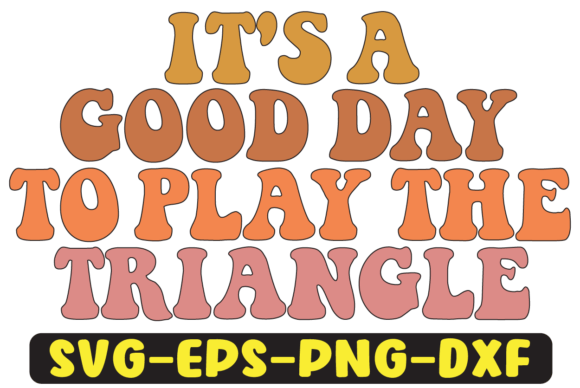
As a designer who reviews embroidery designs for real-world use, my first reaction to It's a Good Day to Play the Triangle PNG was immediate: this is a design that wants to be fun, quirky, and effortlessly nostalgic. The groovy retro layout, paired with the triangle motif and casual script, gives it a distinct personality. It’s the kind of design that could easily land on a boutique tote, a custom sweatshirt, or a playful nursery pillow.
What stands out visually is the balance between simplicity and charm. The triangle acts as a natural frame for the text, drawing the eye inward. The font is relaxed, almost hand-drawn in feel, which makes it approachable and easy to read—even at a glance. This is a great example of how a minimalist layout can still carry visual weight when the mood and theme are aligned.
Real-Life Embroidery Use: From Sweatshirts to Baby Onesies
I recently tested this design on a few different fabric types and product styles to see how it would hold up in actual embroidery work. Starting with a medium-weight cotton hoodie, the design stitched cleanly with no distortion. The satin-stitched outlines held their shape well, and the fill stitches remained smooth without any puckering.
When I moved on to a baby onesie, I was curious how the triangle and text would translate on a smaller scale. I resized the design slightly to fit the chest area and used a soft cutaway stabilizer. The result was crisp and charming—perfect for a personalized gift or small shop baby apparel line. The retro feel gives it a boutique-quality finish that parents might appreciate for its uniqueness.
I also tried it on a canvas tote bag. The texture of the fabric added some visual depth to the embroidery, and the design held its shape beautifully. This is a great option for Etsy sellers or craft fair vendors looking to offer something with a vintage twist.
Where to Use It Carefully: Fabric, Fit, and Detail Considerations
While It's a Good Day to Play the Triangle PNG is versatile, there are definitely situations where extra care is needed:
- Small hoop sizes: If you're working with a limited hoop, resizing this design too small may cause the lettering to lose clarity.
- Stretchy fabrics: The satin-stitched text may distort slightly on highly elastic materials unless proper stabilizer is used.
- Dark fabrics: The light-colored thread options may require an underlay or backing to prevent the fabric color from showing through.
- Curved surfaces like caps: The triangle shape has sharp corners that may not stitch cleanly on a curved surface without adjustments.
One thing to watch is the triangle’s inner corners—they’re fairly sharp and may require a bit of editing if you're stitching on a fabric that’s prone to pulling or fraying. Also, if you're using multiple thread colors, make sure the transitions are clean and not too dense, especially if the final product will be washed frequently.
Design Impact: From Visual Appeal to Customer Trust
This design brings a few key benefits to the table beyond just aesthetics:
- Visual appeal: Its retro look gives it a timeless charm that can appeal to a wide audience, especially those who appreciate vintage or boho styles.
- Stitching clarity: When properly stabilized and stitched at the right density, the design maintains crisp lines and clean fills.
- Product value: It adds a boutique-level finish to items like tote bags, baby clothes, and embroidered patches.
- Customer trust: A well-executed version of this design shows attention to detail and professionalism, which can help build confidence in your brand or shop.
If you're selling on Etsy or at craft fairs, this kind of design can help differentiate your handmade products. It’s recognizable, a little whimsical, and easy to customize with names or dates—making it ideal for personalized gifts like holiday ornaments, wedding favors, or custom nursery decor.
Designer Notes: Practical Tips Before You Stitch
Here are a few things I recommend checking or testing before using It's a Good Day to Play the Triangle PNG in your next project:
- Test on scrap fabric: Always run a test stitch-out before committing to your final product, especially if you’re using a new stabilizer or fabric type.
- Check thread color contrast: Make sure the thread colors you choose stand out clearly against the fabric. This is especially important on darker materials.
- Review stitch density: If the fill areas feel too heavy or light, adjust the density to match the fabric’s weight and texture.
- Confirm hoop size: Resize the design carefully to fit your hoop without distorting the triangle’s shape or the lettering’s proportions.
- Inspect small details: Pay attention to the triangle’s corners and the spacing between letters to ensure they’ll stitch cleanly.
- Test in black and white: Sometimes a design looks great in color but doesn’t translate well in monochrome. Check how it reads in grayscale.
- Compare light and dark fabric backgrounds: This design works best when the background fabric complements the thread colors rather than competes with them.
- Use proper stabilizer: For stretchy or textured fabrics, use a cutaway or tear-away stabilizer that matches the material’s needs.
- Check licensing: Confirm whether the design allows for commercial use, especially if you’re planning to sell finished products or digital mockups.
Final Thoughts: A Retro-Inspired Design That Works
Overall, It's a Good Day to Play the Triangle PNG is a solid choice for embroidery designers and small business owners looking to add a touch of retro flair to their handmade products. It’s versatile enough for a range of items—from baby clothes to boutique tote bags—and has enough personality to stand out in a crowded market.
Whether you're creating personalized gifts, custom apparel, or digital product previews, this design offers a clean, charming aesthetic that’s easy to work with and appealing to customers. Just remember to test it carefully on your intended fabric, and make any necessary adjustments to thread colors, stitch density, and stabilizer use before producing your final item.